Cold Injuries from Military Service

Cold injuries can develop during service in cold, wet, or damp conditions and they don’t always involve freezing.
Freezing cold injuries, such as frostbite, occur when tissue freezes, while Non-Freezing Cold Injuries (NFCIs), are often caused by prolonged exposure to cold and damp environments and can lead to lasting nerve and circulation damage.
We can help you understand whether their cold injury may be linked to service and support them through the claims process, including medical assessment, documentation, and clear guidance from a veteran-led team.
Recognising the Symptoms

Common signs seen in freezing and Non-Freezing Cold Injuries include:
- Cold, numb, or tingling sensations in the in-affected area.
- Skin discolouration, including pale, bluish, or blotchy patches.
- Pain, burning, or throbbing during or after rewarming.
- Swelling and reduced dexterity in the hands or feet.
Early symptoms may feel mild, but they can lead to chronic discomfort, loss of feeling, or long-term hypersensitivity to cold if not properly recognised and assessed.
Our team will help you document symptoms clearly and guide you toward the right medical assessments to support your claim.
How Your Eligibility Is Assessed
1. Submit Your Enquiry
Submit an enquiry with your basic details and service number. This allows us to carry out an initial review and check your military service history.
2. Initial Call With Our Team
You’ll speak with a member of our team to confirm some key information and answer any initial questions. Where appropriate, we’ll then arrange a further discussion with one of our veteran team members.
3. Veteran Eligibility Check
You’ll have a detailed call with one of our veteran team members, who will review your military service and injury history. The information you provide will help us assess your circumstances and determine the appropriate next steps.
4. Medical Evidence & Documentation
We’ll support you throughout the evidence-gathering process.
- Hearing loss claims may require an independent hearing assessment.
- Cold injury claims may require a detailed questionnaire and review by an independent medical expert.
We’ll help you prepare and submit the required documentation to our partner law firm, which will take the necessary steps to assess your claim, including obtaining relevant records where required.
5. Claim Outcome & Compensation
Once the available evidence has been reviewed, the partner law firm will assess your claim and advise you of the outcome. If your claim is successful, the law firm will explain any compensation awarded, any applicable fees, and the next steps.
Proudly Rated

On Google

worma544


Andrew Roberts

Des Haddon

Samantha Downs

Mark Butcher
FAQs
Who are Veterans for Veterans?
Veterans for Veterans is a trading style of One Claims Management Ltd, a company registered in England and Wales. Part of our team is made up of former members of the Armed Forces, bringing first-hand experience of military service and an understanding of the issues veterans can face.
We help veterans and serving personnel understand the claims process and, where appropriate, connect them with our panel of law firms.
Will claiming affect my employment status or my future military career?
Your claim remains confidential, safeguarding your privacy. If the claim does proceed to litigation then the result of this is public however you would always be notified before this happens. If you’re currently employed, it would be unlawful for your employer to penalise you for pursuing a claim against your employer.
Will claiming affect my ability to get a job in the future?
Making a claim should not, in itself, prevent you from getting a job in the future. However, if a role has specific hearing standards or requires you to pass a hearing test, your ability to meet those requirements will depend on your individual hearing.
If you are still serving, you should also be aware that the MOD may become aware of your hearing loss claim because your military medical records may need to be requested as part of the process. This does not necessarily mean that the claim will be notified to or flagged within your individual unit or regiment.
How long does a military hearing loss claim take?
Typically, between 2 – 3 years, however, the complexity of the case will influence this.
How Much Compensation Could I Receive For A Non-Freezing Cold Injury Claim?
The average payout of NFCI cases can vary dramatically however the cases which have been settled and become public record are six figure settlements.
How Long Do NFCI Claims Take To Settle?
We estimate these cases may take 2-3 years to resolve, though settlement out of court could potentially shorten this timeframe.
Do you help with claims outside of the UK?
Yes. As long as part of your service in the UK Armed Forces was after May 1987, we may be able to help regardless of where you live now. However, we can only support claims where the necessary testing is available in your location. Contact us for more information about testing availability where you live.
What is Noise-Induced Hearing Loss (NIHL)?
Noise-Induced Hearing Loss (NIHL) is permanent hearing damage caused by exposure to loud noise, often without proper protection. In the military, this can result from gunfire, explosions, or loud machinery. Symptoms include muffled hearing, difficulty understanding speech, or ringing in the ears (tinnitus).
What is NFCI?
This refers to tissue damage from prolonged exposure to cold, wet conditions above freezing (typically 0–15 °C). It’s different from frostbite (which occurs below 0 °C) and includes conditions like trench foot. Common among military personnel, symptoms include numbness, tingling, pain, swelling, and long-term sensitivity to cold. It can lead to chronic issues if untreated.
Will anybody know I have made a claim?
Apart from your legal representatives and the Ministry of Defence (MOD), your claim remains confidential unless you have to go to court, then this would become public record however most claims do settle out of court.
Will making a claim affect my military pension or benefits?
No, making a claim will not affect military compensation schemes such as the Armed Forces Compensation Scheme (AFCS) or a War Pension. If you receive means-tested benefits, any compensation awarded may be taken into account when assessing your entitlement. A personal injury trust may help in certain circumstances and we recommend obtaining independent financial advice.
Is there any financial risk in making a claim?
All claims are covered under a no-win-no-fee agreement, which is covered by ATE insurance. This ensures that all legal costs are covered in the event of an unsuccessful claim. Unless you are materially deceptive or misleading during the process, you will not be liable for any costs associated with the legal proceedings. Legal costs are recovered from your award at the conclusion of your case, at a rate of 30% of the total award plus an insurance premium.
What is Crown Immunity, and can it be challenged?
Crown Immunity protects the Ministry of Defence from liability for injuries sustained by servicemen and women before 1987.
Will I have to pay legal fees?
All claims with our panel of law firms are handled under a no-win-no-fee agreement, covered by an ATE policy where appropriate. In the event of an unsuccessful outcome, the insurance policy will cover all fees but specific terms may apply depending on law firm. If your case is successful, a success fee of up to 30% of your damages (including VAT) and the insurance policy premium will be deducted from your final amount. In some cases, your law firm may recommend After the Event (ATE) insurance. This is a policy designed to protect you from certain legal costs and expenses if the claim does not succeed. ATE insurance is generally arranged on a deferred basis, meaning there is nothing to pay upfront and the premium is only payable if the claim is successful. Where applicable, the insurance premium is charged in addition to the success fee referred to above and will be deducted from compensation recovered at the conclusion of a successful claim. The cost of any ATE insurance policy will vary depending on the circumstances of the claim, and full details will be provided by the law firm before any agreement is entered into.
I have claimed a War Pension or Armed Forces Independence Payments. Can I still make a claim?
Yes, you are still eligible to pursue a civil claim irrespective of previous outcomes regarding War Pension or AFCS.
I no longer live in the UK. Can I claim?
Your case will be evaluated individually based on its specific merits and the availability of a local audiology test. If your case is strong and there are no issues in scheduling a test in your area, your legal representatives will arrange a test for you.
Part of my service was prior to 1987. Will that be included?
In order to pursue a claim for Hearing Loss, it is necessary that there was at least some period of your service that occurred after 1987. For instance, if you enlisted in 1986 and concluded your service in 1995, more than half of your service tenure would fall after 1987. In these circumstances, you could pursue a claim for your period of exposure from 1987 to 1995.
Can I claim through the Royal British Legion?
The Royal British Legion recommends consulting a solicitor to make a civil claim for negligence. Our team of veterans will discuss your circumstances with you and explain the claims process. If you wish to proceed, we can introduce you to our partner law firm, which will assess your case and advise whether a claim can be pursued.
Who is eligible to make a military injury claim?
The core eligibility criteria are that you served in the UK Armed Forces after May 1987, completed basic training, and have hearing loss that can be evidenced by a hearing test.
Do I need to have left the military to make a claim?
No. You can still be in active service or a reserve.
What does a successful claim look like?
Every hearing loss claim is assessed on its own facts, so there is no single set of circumstances that guarantees a successful outcome. Instead, the strength of a claim is usually determined by a combination of factors, including the nature and duration of the individual’s exposure to noise, whether suitable hearing protection was provided and consistently used, and whether proper instruction was given on how that protection should be worn. Medical evidence also plays an important role, particularly where hearing test results support both the existence of an injury and its likely cause. In addition, the availability of supporting records and documentation from the Ministry of Defence can help establish the relevant circumstances of exposure. Ultimately, each claim is considered on its own merits, with the overall outcome depending on the weight of the evidence available across all of these areas.
How long do I have to make a claim?
It is important to submit your enquiry with us as soon as you become aware of your eligibility to claim.
How long can military claims process take?
We estimate these cases may take 2-3 years to resolve, though settlement out of court could potentially shorten this timeframe.
Cancellations
You have the right to cancel your agreement with the law firm within the 14-day cooling off period and, if you do so, you will not usually incur any charges. However, if you choose to cancel after this period has expired, the law firm may be entitled to charge for the work already carried out on your case. Any such charges would be calculated in accordance with the hourly rates and terms set out in the Conditional Fee Agreement (CFA) provided by the firm at the outset of your claim. In addition, costs may be incurred if a claimant fails to cooperate with reasonable requests during the claims process or provides information that is false, misleading, or materially inaccurate. Full details of any circumstances in which charges may apply will be explained by the law firm before you decide whether to proceed.
Our Veteran Team
Made up of veterans from every branch of the UK military, Veterans for Veterans supports the Armed Forces community through the compensation process for service-related injuries.






Latest News
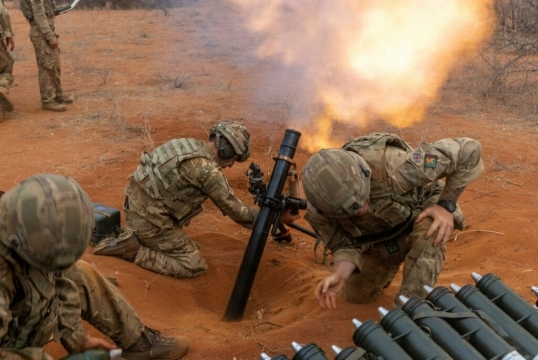
Why Are Military Hearing Loss Claims
Why Are Military Hearing Loss
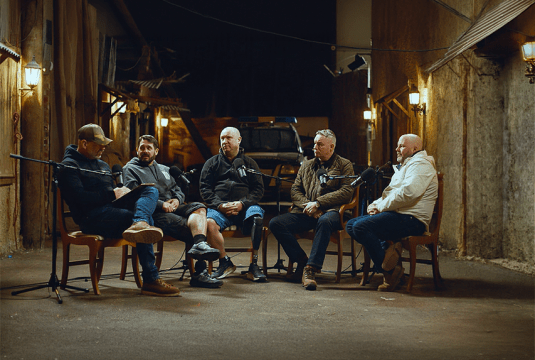
The Survivors of Kajaki Reflect on
The Survivors of Kajaki Reflect
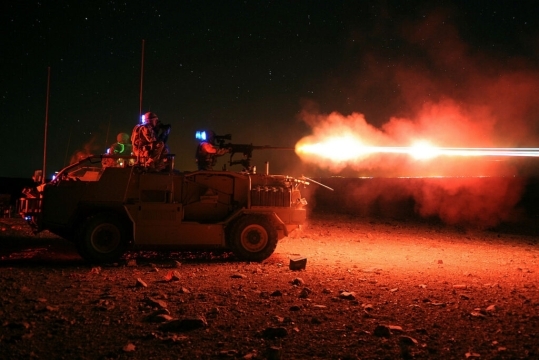
New 2027 Deadline for Military Hearing
New 2027 Deadline for Military
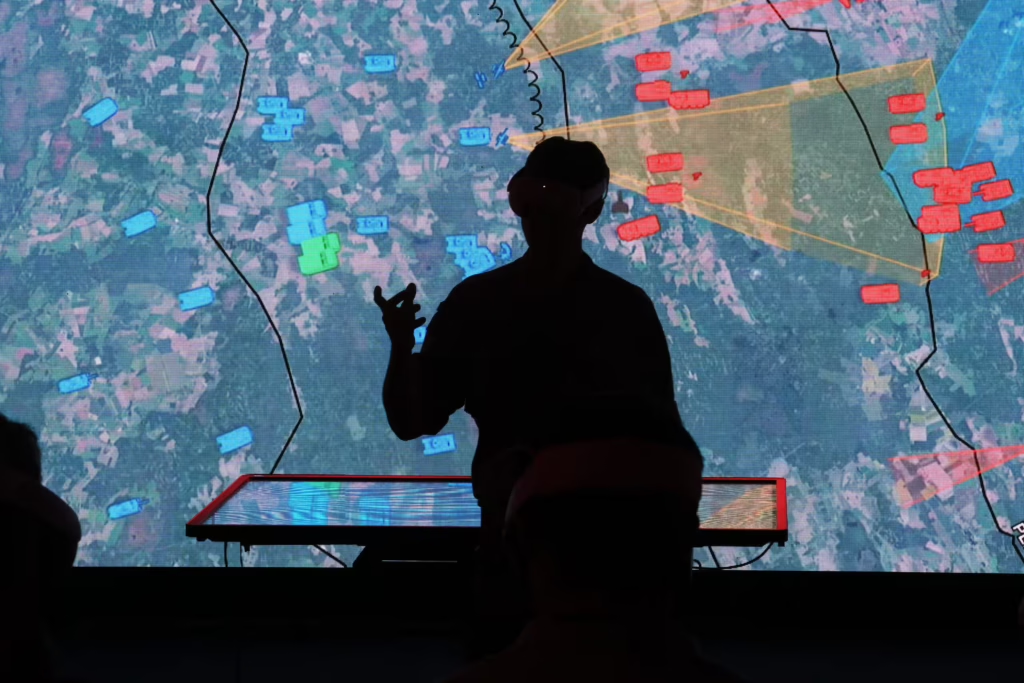
5 Challenging Careers for Veterans with
5 Challenging Careers for Veterans

Brian Wood MC and Jay Morton
Brian Wood MC and Jay
What Is the Armed Forces Independence
What Is the Armed Forces
Proudly Supporting Our Veteran Community