
Leaving the Armed Forces often means adjusting to a completely different working environment. For veterans with noise-induced hearing loss – whether caused by gunfire, explosions, or machinery – that transition can come with extra challenges.
While hearing loss doesn’t limit what you can do, some civilian roles rely heavily on sound, fast communication, or situational awareness, making them more difficult without the right support.
Here are five jobs veterans with hearing loss may find more challenging.
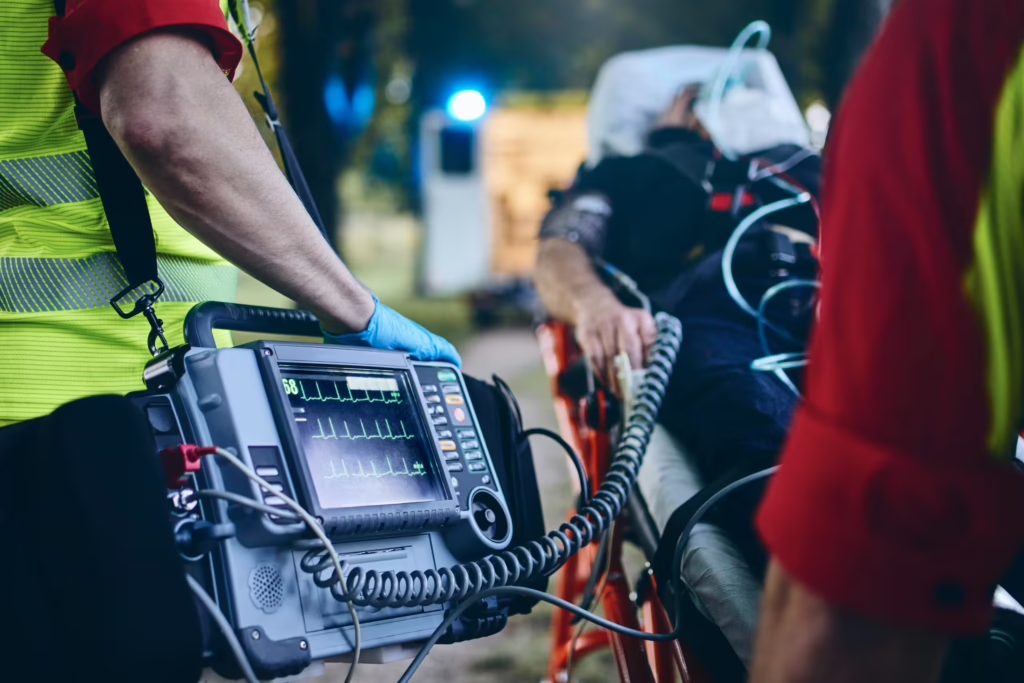
Emergency Response Roles
Examples: Police, fire service, ambulance service.
These roles can feel like a natural transition from military service. However, they rely heavily on rapid auditory awareness in high-pressure situations.
Day-to-day challenges include:
- Hearing radio communications clearly
- Responding to alarms and sirens
- Processing spoken instructions in chaotic environments
In these settings, missing even a split-second message can impact decision-making and safety.
Noises like sirens, traffic, and crowds can reduce the effectiveness of hearing aids or assistive tech, making communication harder under pressure.
Phone-Based and Call Centre Roles
Examples: Call centre advisor, receptionist, dispatcher.
These are some of the most common civilian roles, but also some of the most audio-dependent.
For veterans with hearing loss, difficulties can include:
- Understanding different accents (especially UK regional variation)
- Managing poor call quality
- Coping with fast-paced conversations without visual cues
Unlike in the military, where communication is often structured and supported by context and training, these roles rely on constant, uninterrupted listening – which can quickly become exhausting.
Support is available through Access to Work, including:
- Amplified or captioned phones
- Speech-to-text support
- Communication equipment
But the intensity of these roles can still make them challenging long-term.

Noisy Civilian Work Environments
Examples: Construction, hospitality, retail.
Many veterans move into hands-on or team-based roles after service, but these environments often combine:
- High background noise
- Multiple conversations at once
- Fast-moving instructions
For someone with hearing loss, this can mean:
- Missing key instructions on site
- Struggling to follow group conversations
- Feeling out of the loop with teammates
Civilian workplaces may not always adapt, especially if hearing loss isn’t immediately visible. This can lead to frustration, stress, or even withdrawal from team settings.

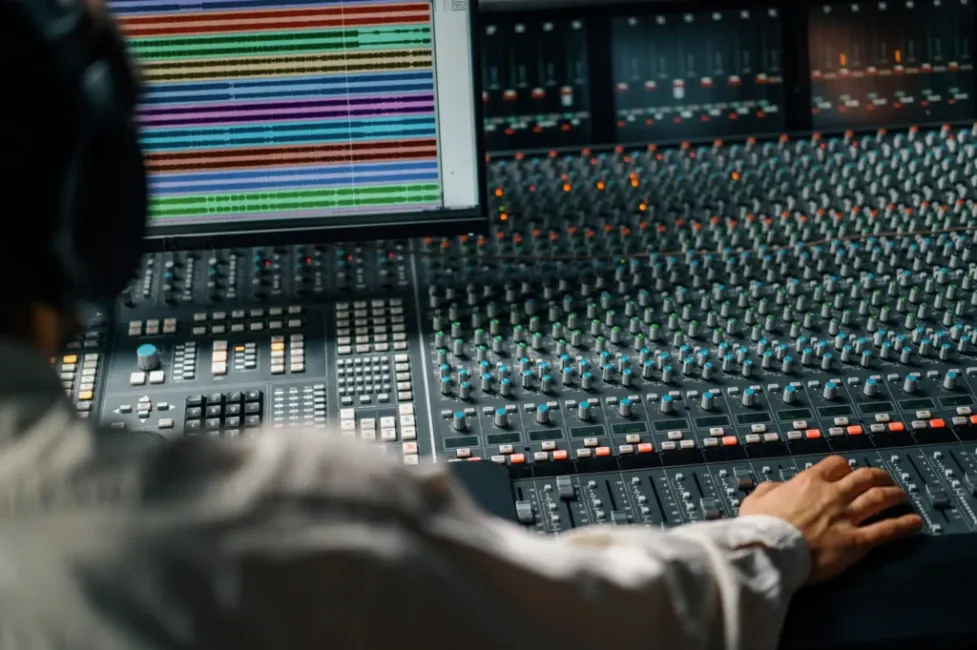
Audio-Sensitive Roles
Examples: Music, sound engineering, audio production.
Some veterans go into creative or technical fields post-service, but roles that rely on precision listening can be more affected by hearing loss.
These jobs often require:
- Detecting subtle sound differences
- Adjusting tone, pitch, and balance
- Identifying audio inconsistencies
Hearing aids can improve general hearing, but they don’t always restore the ability to pick up fine audio detail, which is critical in these fields.
Safety-Critical Industrial Roles
Examples: Warehousing, transport, manufacturing.
Many civilian jobs still rely on audio-based safety systems, such as:
- Warning alarms
- Reversing vehicle beeps
- Machinery fault sounds
For veterans used to maintaining high situational awareness, missing these cues can feel uncomfortable and potentially unsafe.
Some workplaces are improving accessibility with:
- Visual warning systems
- Vibration alerts
- Clear signage
But not all environments are adapted, which can limit options or require additional support.

Transitioning to Civilian Work with Hearing Loss
For UK veterans, the key takeaway is this:
It’s not about what you can’t do – it’s about finding the right environment and support.
Hearing loss can bring challenges, especially when stepping into unfamiliar civilian roles. But it doesn’t take away the skills, resilience, or experience you’ve built during service.
Support is available through:
- Access to Work (UK government scheme)
- Veteran-focused charities and employment programmes
- Workplace adjustments and assistive technology
How Veterans for Veterans Can Help
If your hearing loss was caused by noise exposure during military service, you may be entitled to support that could make life and work more manageable.
At Veterans for Veterans, we help former service personnel understand their options and provide them with guidance on their hearing loss case. In some cases, a successful claim can provide financial compensation that can be used towards specialist hearing aids, assistive technology, ongoing hearing care, or other adjustments that help you at work and in everyday life.
If you’d like to check if you’re eligible for hearing loss compensation, click here.