Military to the Core
Meet The Veterans
Biography
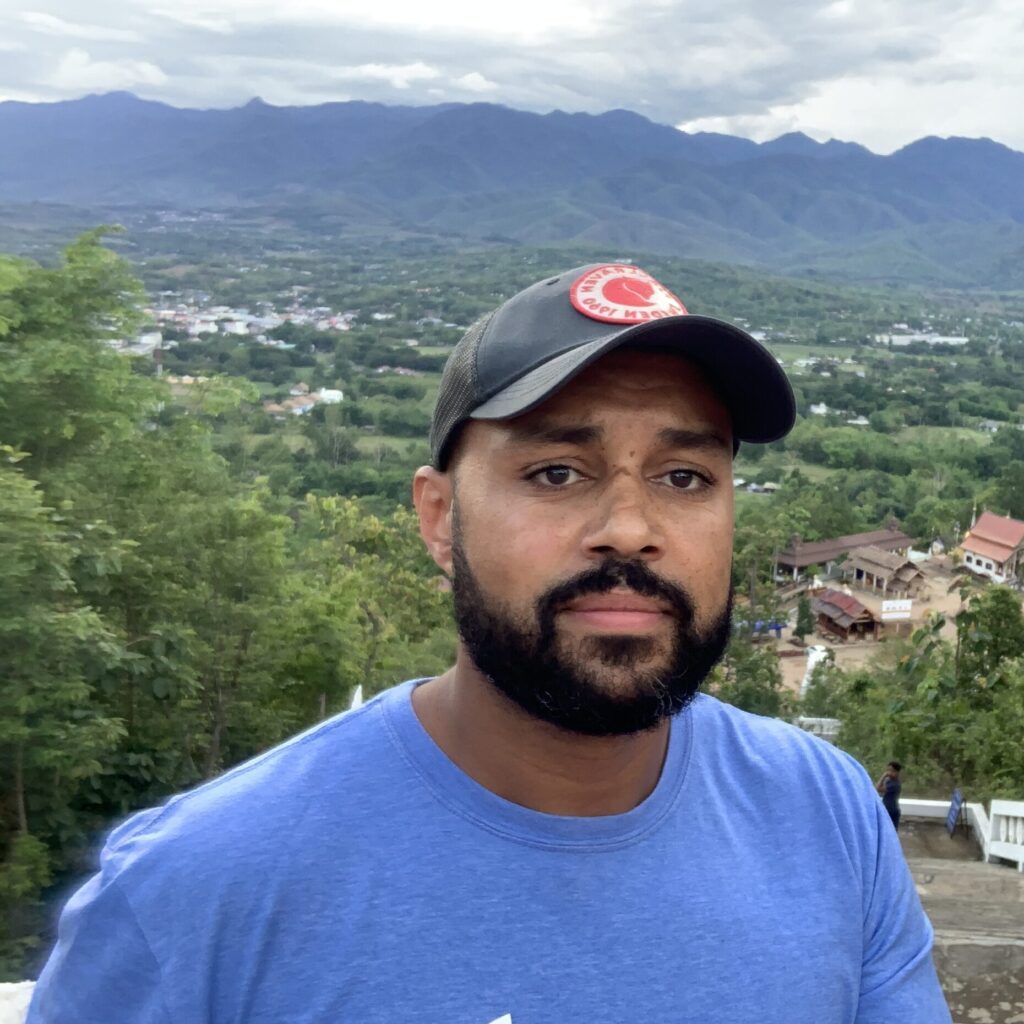
Kristian Sackey is a former British Army Non-Commissioned Officer with a distinguished service career spanning a decade, including frontline roles with the Irish Guards and the elite Guards Parachute (PARA) Platoon. Beginning his military journey in 1997 as a mechanised infantry Warrior Gunner Commander in Germany, Kristian quickly rose through the ranks to become a Section Commander in the Guards PARA Platoon, where he served for four years.
His operational deployments included Northern Ireland, Kosovo, and Iraq, alongside major training exercises in Belize, Canada, Poland, Kenya, and Kuwait, demonstrating a career marked by adaptability and operational excellence across a range of global theatres.
Since leaving the Armed Forces in 2007, Kristian has continued to serve in high-risk environments, applying his skills in close protection and security management with both the United States Department of Defence and the UK Foreign, Commonwealth & Development Office.
Now a committed advocate for veterans’ rights, Kristian plays an active role in helping former service personnel navigate complex compensation claims, particularly those related to noise-induced hearing loss (NIHL). Drawing on his own experiences, he works tirelessly to ensure that no veteran is left behind when it comes to securing the recognition and support, they deserve.
Biography
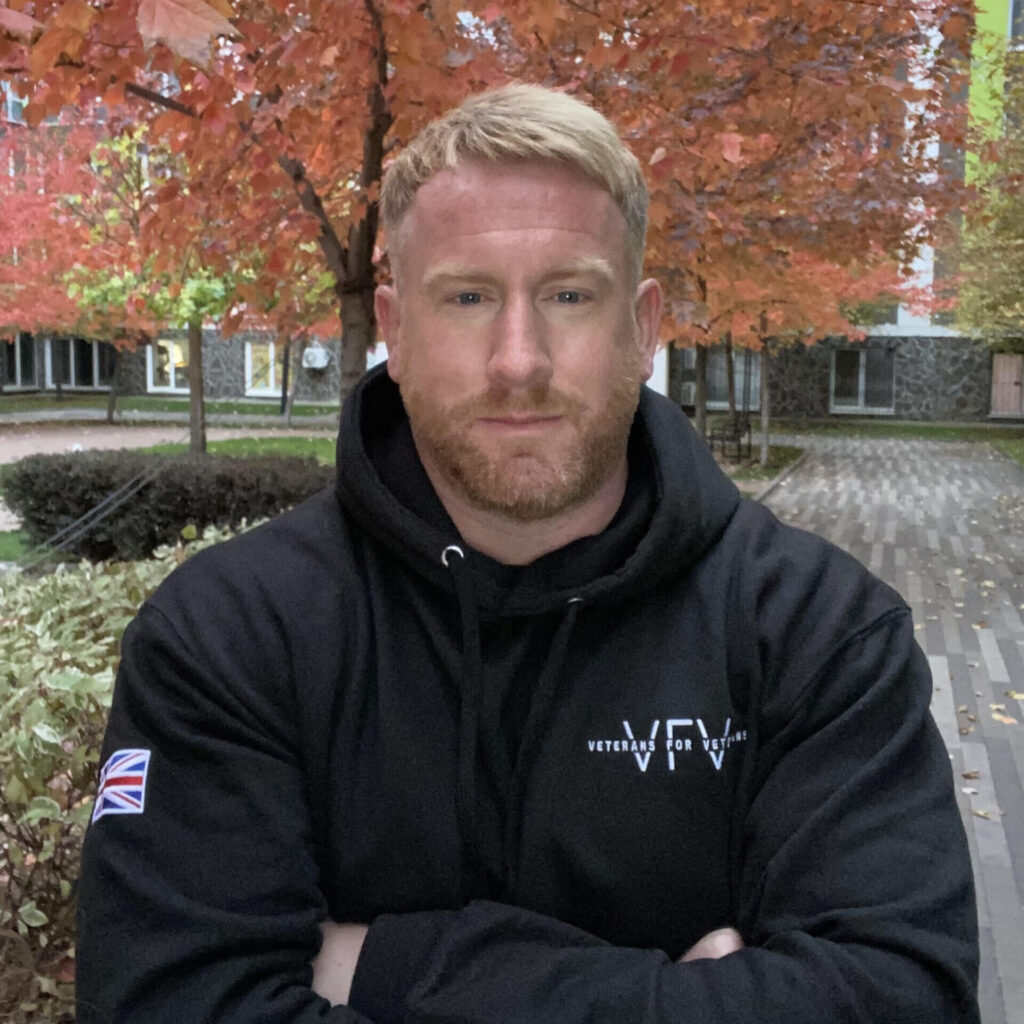
Daniel Spruce is a highly respected former Warrant Officer Class 1, renowned for his expertise as an Ammunition Technician and Explosive Ordnance Disposal (EOD) operator. Over a distinguished 20-year military career, he served in the Falklands, Iraq, and Afghanistan, earning multiple honours, including a Mention in Despatches (MiD) for gallantry, a double Commander British Forces Commendation for exemplary service, and a Joint Forces Commander Commendation for distinguished conduct.
Following his transition from military service, Daniel has continued to lead with purpose as part of the Veterans for Veterans initiative. Respected across both the veteran community and commercial sector, he is a committed advocate for the wellbeing of armed forces personnel, during their service and especially in their return to civilian life.
Daniel is particularly passionate about supporting fellow veterans with service-related injury claims. Drawing on his own lived experience, he provides expert guidance to ensure that those who have served receive the recognition, care, and support they rightly deserve.
Biography
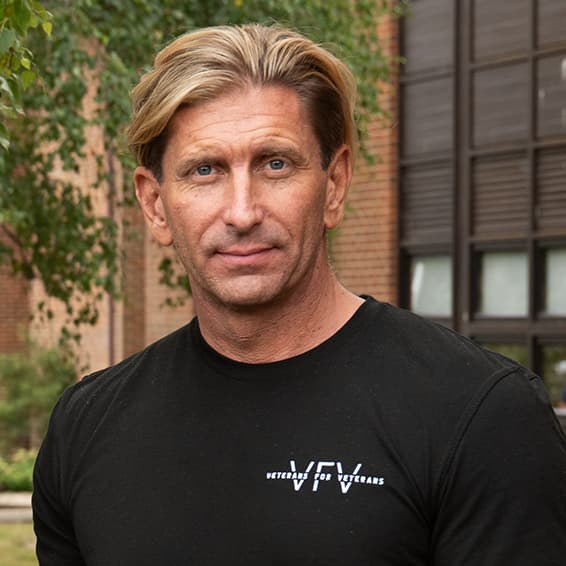
Mark O’Sullivan is a highly respected former Non-Commissioned Officer in the Royal Military Police, with over a decade of operational experience as a close protection officer on deployments to Iraq and Afghanistan. In addition to his frontline service, Mark served as a specialist advisor on multiple training missions across Europe, the Middle East, and Africa, where he played a crucial role in shaping HMG’s overseas defence engagement strategy.
Since leaving the military, Mark has dedicated his leadership skills and unwavering commitment to the Veterans for Veterans initiative. Highly respected across both veteran and civilian circles, he consistently champions the welfare of service members, supporting them throughout their service and throughout the often-difficult transition back to civilian life.
Deeply driven by his own experiences, Mark is especially focused on helping veterans navigate the complex landscape of service-related injury claims. His passion lies in ensuring that those who have served are properly supported, recognised, and awarded the care and entitlements they have rightfully earned.
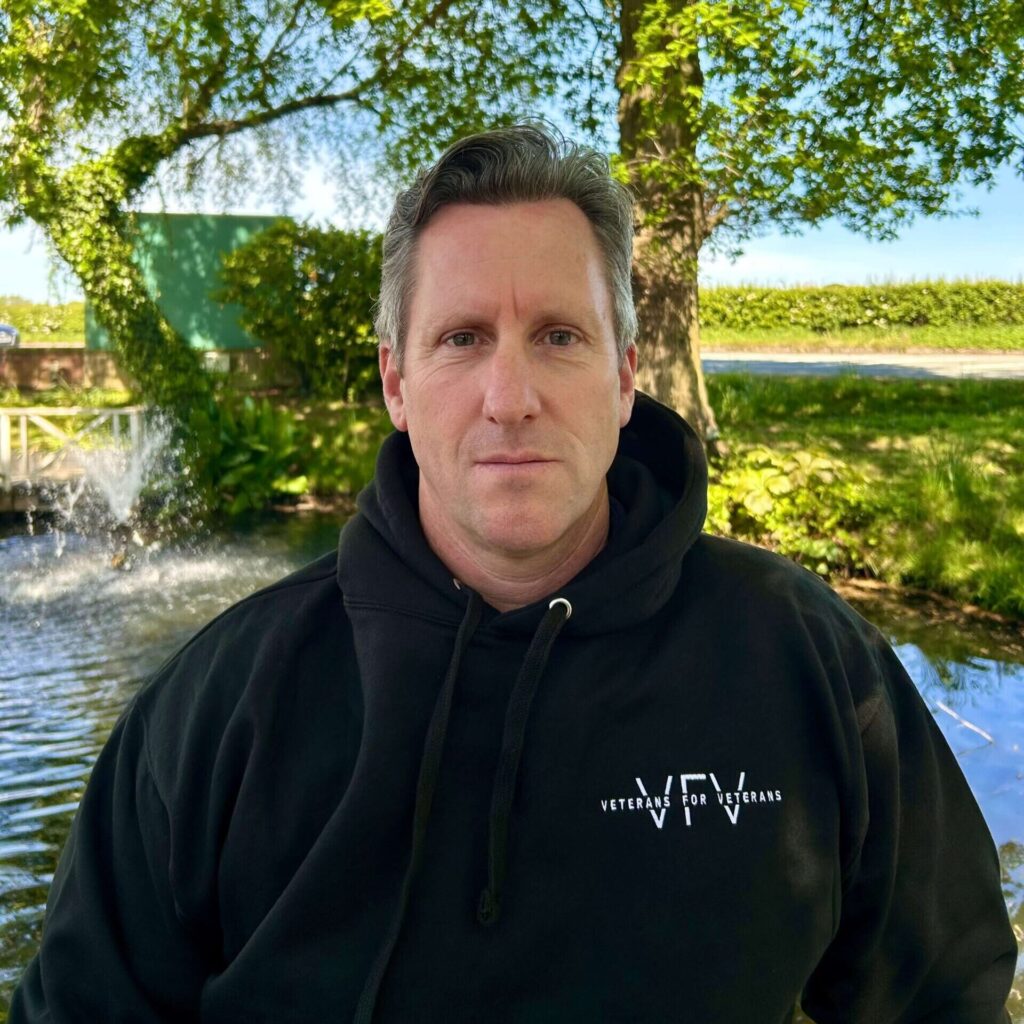
Biography
Peter Ward is a distinguished former Royal Marine Commando with over two decades of operational experience, having served in Northern Ireland, Congo, Iraq, and Afghanistan. A specialist in reconnaissance and military intelligence, Peter played a central role in shaping future-facing doctrine throughout his career.
Since transitioning from active service, Peter has channelled his expertise, leadership, and sense of duty into Veterans for Veterans. He is a respected and trusted figure across both veteran and civilian communities, known for his deep commitment to championing the welfare of serving personnel and veterans alike.
Particularly dedicated to supporting those navigating service-related injury claims, Peter draws from his own experiences to offer clear, compassionate guidance. He remains passionately focused on ensuring that those who have served are properly recognised, supported, and empowered to access the care and entitlements they rightfully deserve.
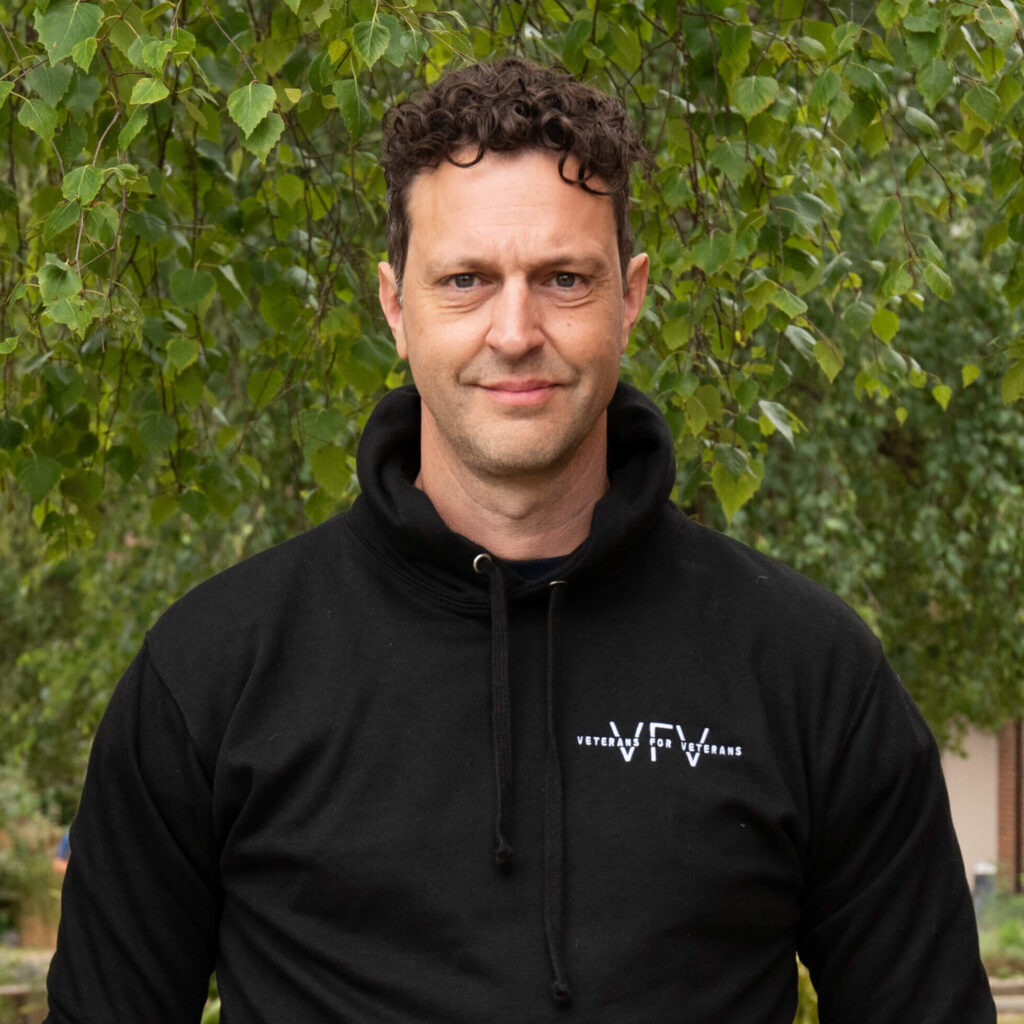
Biography
Simon Griffin is a former Non-Commissioned Officer whose military career spanned a wide range of roles and units across the British Army. He began his service in February 1996, enlisting as an infantry soldier with the 2nd Battalion, The Royal Anglian Regiment. After three and a half years, he transferred to the Royal Logistic Corps, retraining as a chef and supporting infantry, artillery, and commando units throughout his career.
During his time as a Corporal, Simon was selected as a Phase One instructor at ATFC Winchester, where he was awarded the prestigious Warrior Trophy by Her Royal Highness Princess Anne, recognising his excellence as the best section commander. His career included numerous international exercises and operational deployments in Northern Ireland, Iraq, and Afghanistan.
Now a proud member of the Veterans for Veterans team, Simon draws on his extensive service experience and deep understanding of military camaraderie to advocate for the health and wellbeing of former service personnel. Simon’s work is driven by a desire to ensure that no veteran feels overlooked or isolated due to long-term conditions. His mission is simple: to help others feel heard, valued, and supported as they navigate life after service.
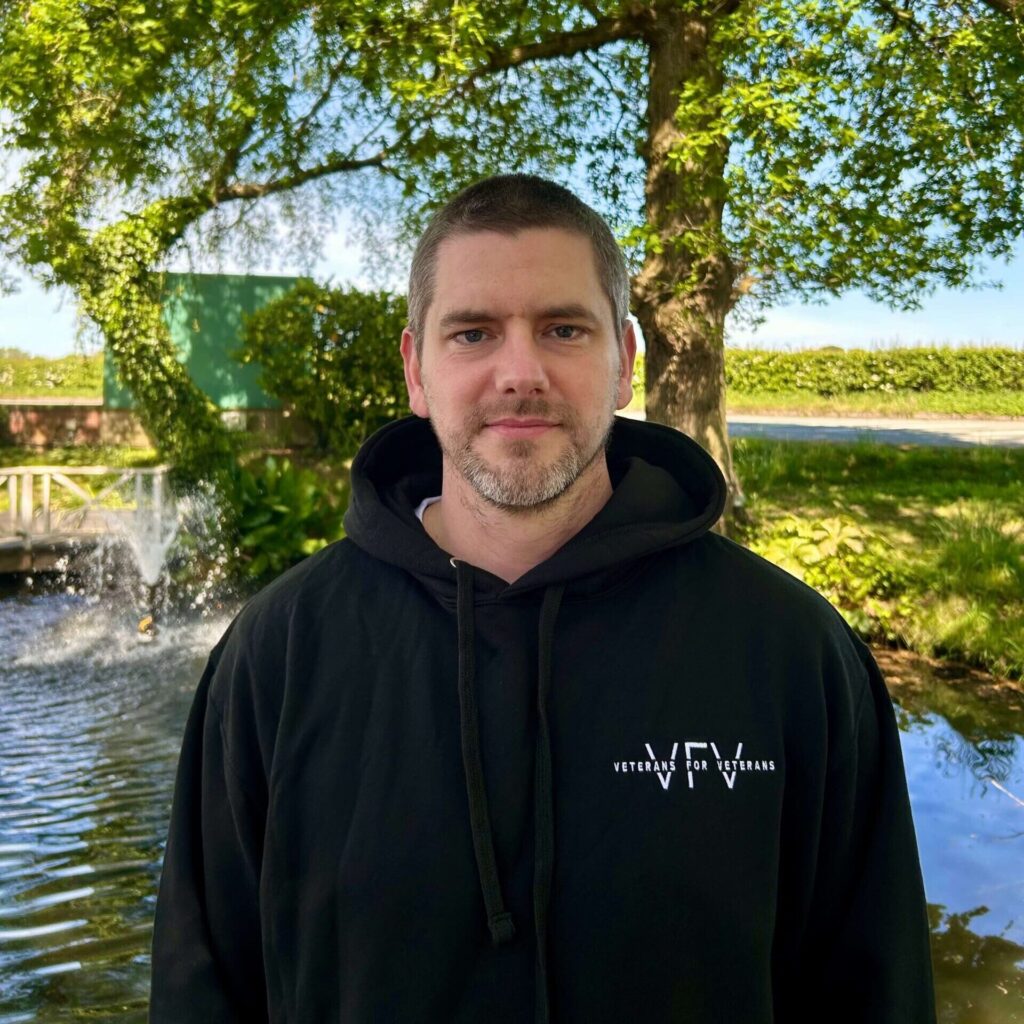
Biography
Stephen Gregory is a distinguished former British Army soldier with several years of infantry experience, including active deployments to Afghanistan. As a proud Fusilier, Stephen participated in some of the most demanding training exercises across the globe, developing deep expertise in kinetic weapons systems and combined arms operations.
Since transitioning from military service, Stephen has brought the same discipline, leadership, and sense of duty to his role within the Veterans for Veterans initiative. He is a respected figure across both military and civilian communities, known for his unwavering commitment to supporting the welfare of armed forces personnel, during service and throughout the complex journey back to civilian life.
Stephen is especially passionate about guiding veterans through the often-challenging process of service-related injury claims. Drawing from his personal experience, he advocates tirelessly to ensure that those who have served receive the recognition, care, and entitlements they rightfully deserve.
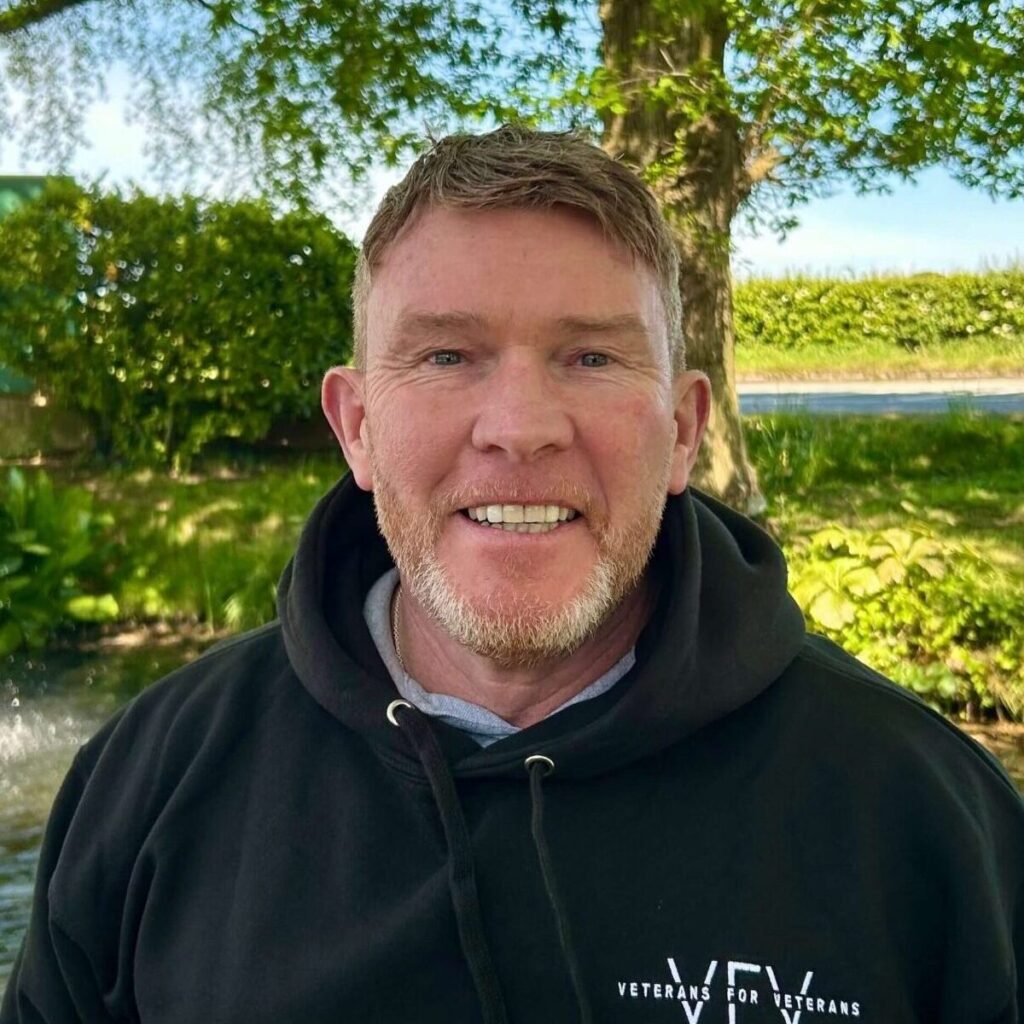
Biography
Lee Kelly is a highly respected former Infantry Senior Non-Commissioned Officer, with over a decade of frontline operational experience across Northern Ireland, the Balkans, and Iraq. Known for his integrity and leadership, Lee was a committed coach and mentor throughout his military career, shaping the development and future success of those under his command, both on operations and during peacetime.
Since leaving the military, Lee has channelled his technical knowledge and unwavering dedication into the Veterans for Veterans initiative. He is well regarded across both the veteran and civilian security communities and remains a passionate advocate for the welfare of serving personnel and veterans, particularly during the often-complex transition back to civilian life.
Driven by personal experience, Lee is especially committed to supporting veterans through the challenges of service-related injury claims. His insights and support have proved invaluable in helping others secure the recognition, care, and justice they deserve.
Biography
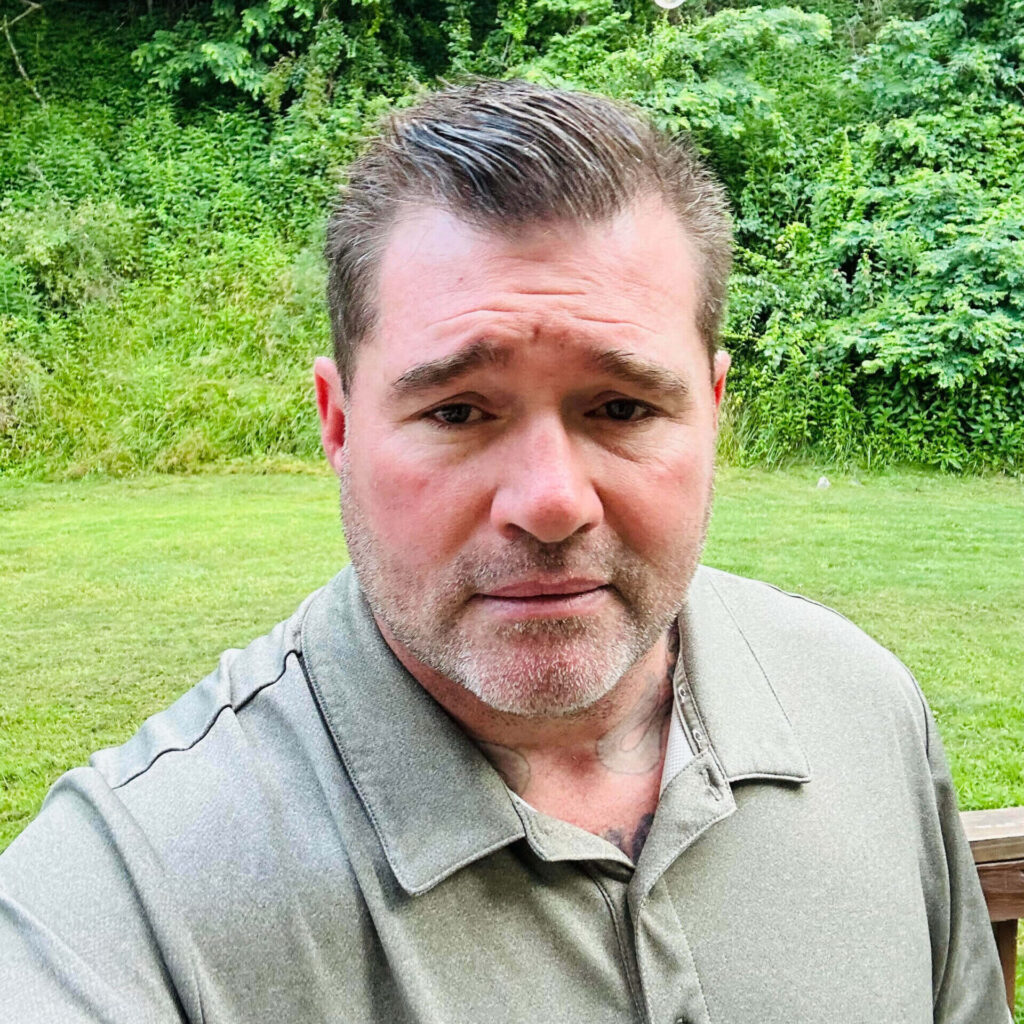
Robert Holloman is a former United States Marine Corps Senior Non-Commissioned Officer with a decade of distinguished service. During his military career, Robert completed multiple operational deployments in Iraq, where he gained extensive experience in high-intensity combat environments. He later specialised as a senior weapons and tactics instructor, playing a vital role in preparing Marines for the realities of modern warfare.
Since transitioning from active duty, Robert has continued his commitment to the veteran community through the Veterans for Veterans initiative. As a key member of the VFV North American team, he is known for his professionalism, leadership, and unwavering dedication to those who have served.
Robert is particularly passionate about helping veterans navigate the often-difficult process of service-related injury claims. Drawing from his own lived experience, he provides clear, honest guidance to ensure veterans are properly recognised, supported, and fairly compensated for their service and sacrifice.
Biography
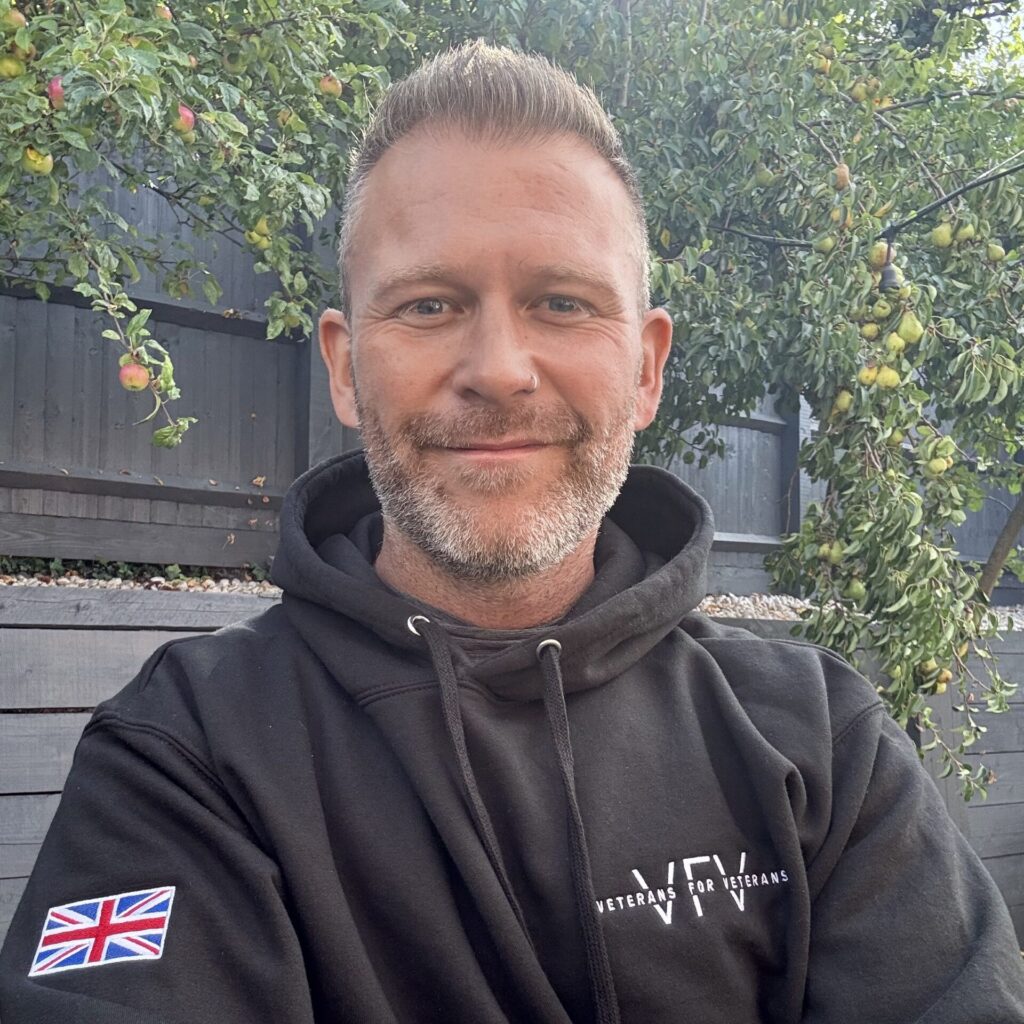
Gareth Clarke is a distinguished former Royal Navy Non-Commissioned Officer with over six years of military service as a ship’s communications operator. He served on multiple active deployments across the Gulf region and in Iraq, where he was awarded the Air Operations Iraq Medal in recognition of his contribution to operational effectiveness. Throughout his naval career, Gareth played a vital role in some of the Royal Navy’s most complex missions, developing specialist expertise in technical warfare systems and joint-service operations.
Since leaving the military, Gareth has continued to serve others through his work with the Veterans for Veterans initiative. He is widely respected across both the Armed Forces and civilian sectors for his integrity, leadership, and unwavering dedication to supporting fellow service personnel.
A passionate advocate for veterans’ rights, Gareth draws on his own experience to help others navigate the often-challenging process of claiming for service-related injuries. His work is driven by a deep belief in justice, ensuring those who have served receive the recognition, support, and compensation they deserve.
Biography
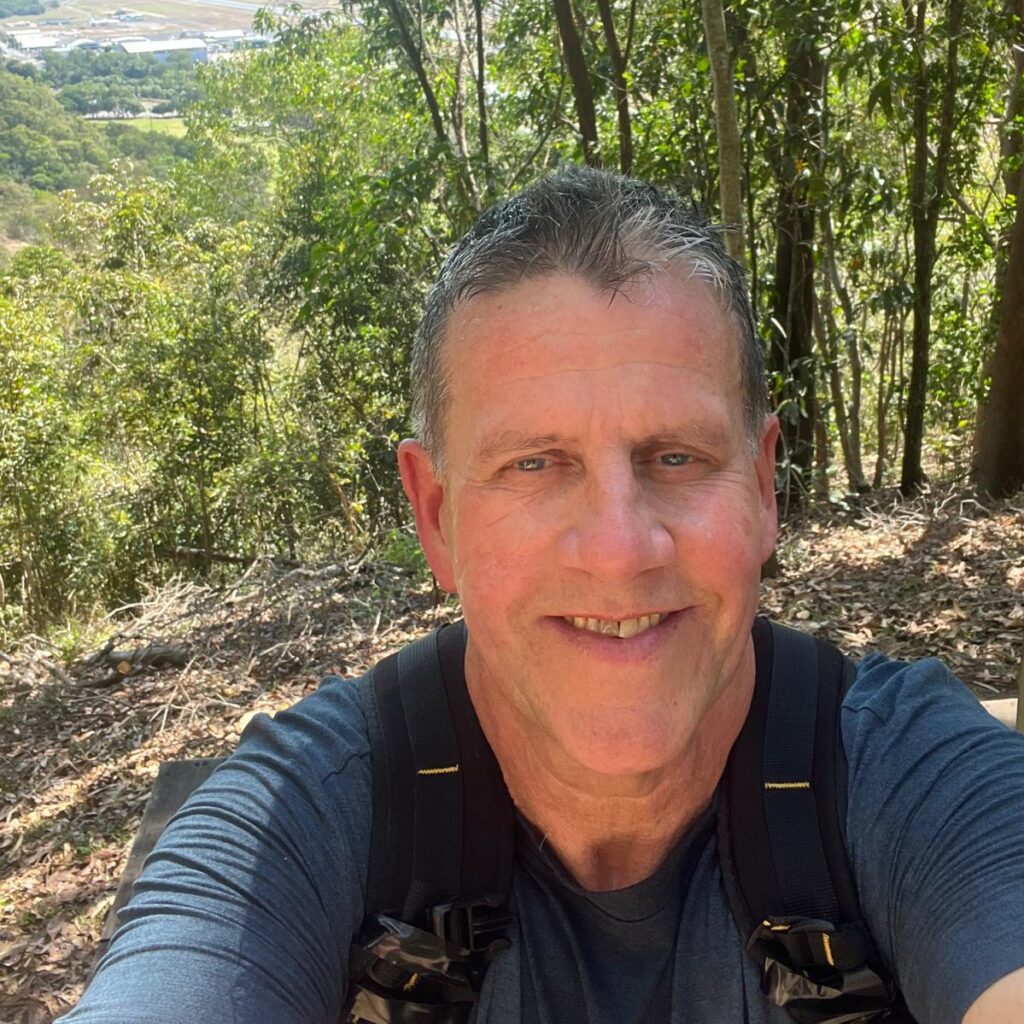
Anthony Wright is a former infantry soldier whose 40-year career with the New Zealand Army is marked by distinguished service and senior leadership. He held several of the most prestigious appointments available to a Non-Commissioned Officer, including Regimental Sergeant Major (RSM) of 1st Battalion, Royal New Zealand Infantry Regiment (1RNZIR); 5th Wellington, West Coast and Taranaki Regiment (5WWCT); the New Zealand Contingent, Multinational Force and Observers in Sinai (NZCON); The Army Depot; 3/6 RNZIR; and Reserve Force Sergeant Major (Army).
Anthony deployed on operations to Cambodia, Sinai, and East Timor, and represented New Zealand in international military activities across Australia, the UK, Brunei, Singapore, Malaysia, and Fiji.
He holds a Bachelor of Business Studies in Finance and Management from Massey University. Now based in Hamilton, he continues his service to the veteran community as a Royal NZ Returned and Services Association (RSA) volunteer Local Support Officer for veterans and their families in the Waikato region, and as a volunteer driver for the Cancer Society.
Driven by a lifelong commitment to service, Anthony joined Veterans for Veterans (VFV) to extend his support across the APAC, offering his experience and leadership to help fellow veterans navigate the challenges of the civil injury claims process.
Biography
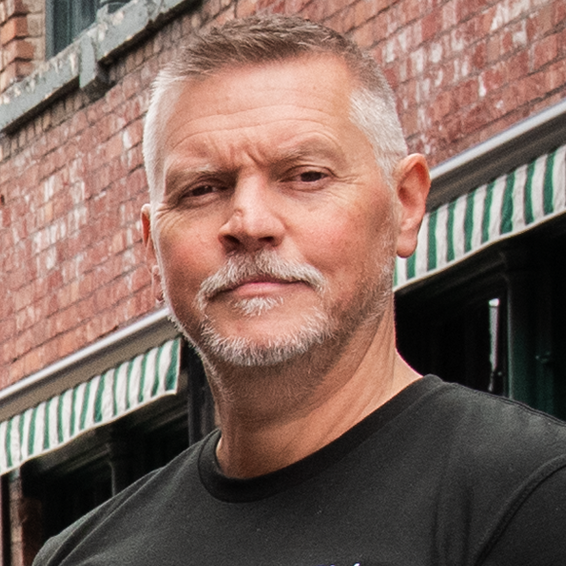
Paul Rees is a former Non-Commissioned Officer in the British Army, having served with distinction in 1st The Queen’s Dragoon Guards from 1997 to 2005. Throughout his service, Paul demonstrated exceptional adaptability and frontline expertise, progressing from Challenger main battle tank driver to gunner, before transitioning to reconnaissance roles. His later career saw him operating the CVR(T) Scimitar, directing missile systems on the Striker as a Swing-fire controller, and serving as a sniper in the regiment’s elite assault troop.
Over the course of five operational tours and numerous global exercises, Paul built a reputation for tactical precision, calm under fire, and an unwavering commitment to his regiment and comrades.
Following his military career, Paul continued to develop his understanding of conflict and security by earning a MSc in Global Terrorism and Counter Terrorism. This academic achievement complements his operational experience, giving him a unique perspective on the evolving nature of warfare and international security.
Today, Paul remains a dedicated member of the veteran community through his work with Veterans for Veterans. Drawing on both his battlefield experience and academic expertise, he is a trusted advocate for those navigating the often-difficult path from service to civilian life.

Biography
Marie Gorstridge is a former Senior Non-Commissioned Officer whose 22-year career in the British Army was defined by expertise in supply chain management, logistics, and welfare
support. Serving with the Royal Logistic Corps, she played a pivotal role in ensuring operational effectiveness through meticulous management of resources across multiple units.
Alongside her core trade, Marie qualified as an Army Physical Training Instructor, delivering fitness and resilience training to soldiers at all levels. Later in her career, she was appointed Welfare Senior Non-Commissioned Officer, where she directed community engagement initiatives, built strong partnerships with charities, and provided primary welfare support to service personnel and their families.
Her operational deployments took her to the Balkans, Iraq, and Afghanistan, where she supported complex logistical operations in challenging environments. Marie’s experience across both operational and welfare domains gives her a unique understanding of the needs of service personnel during and after military life.
Now part of the Veterans for Veterans team, Marie applies her skills and compassion to help veterans navigate challenges, ensuring they feel valued and supported. She remains committed to fostering the same spirit of camaraderie and care that defined her military career.
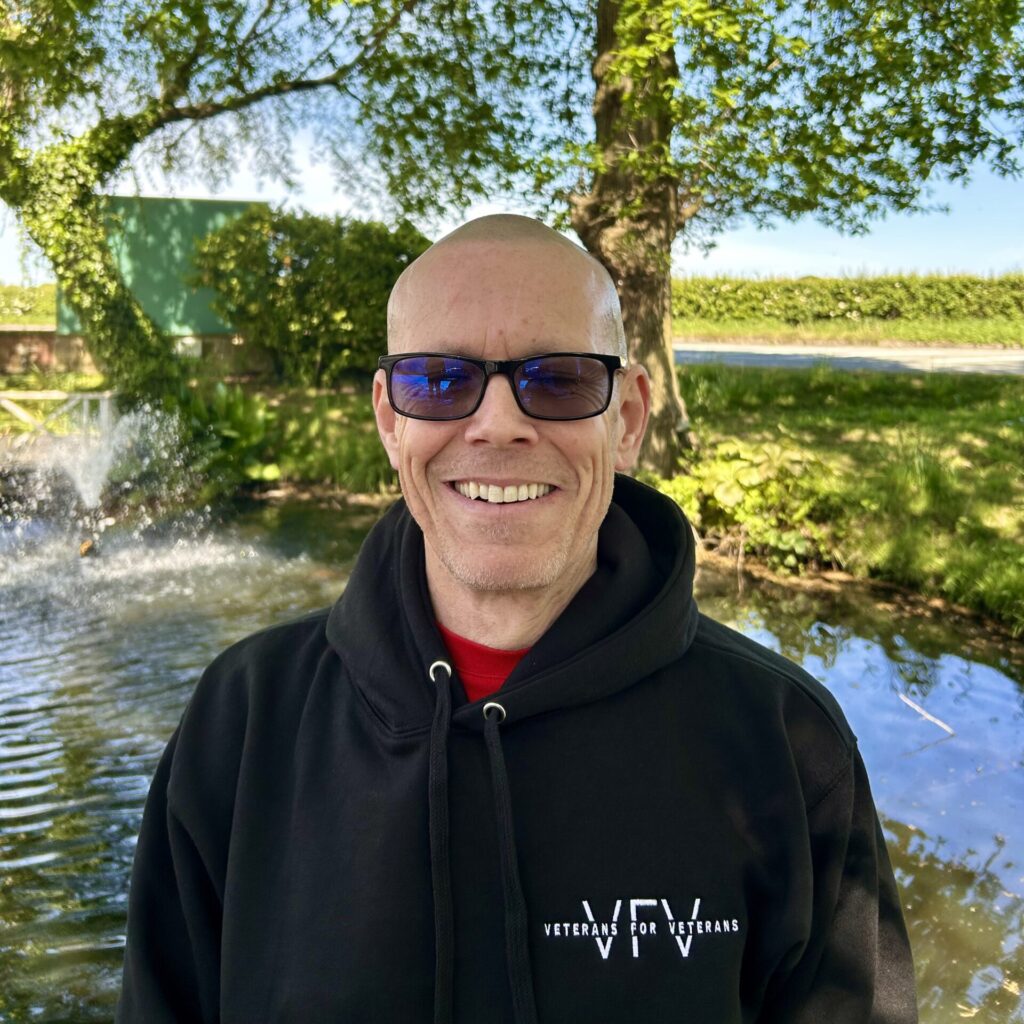
Biography
A former NCO in the Royal Corps of Transport, Simon Wilson served with distinction during Operation Granby, the first Gulf War. As a Section Commander, he played a key logistical role delivering ammunition to frontline tank regiments during the final offensive into Iraq, demonstrating calm leadership under pressure.
Passionate about public engagement, Simon led outreach programmes that brought military life to schools and communities across the UK. Today, he brings that same dedication to Veterans for Veterans, helping fellow veterans navigate the civil injury claims process.
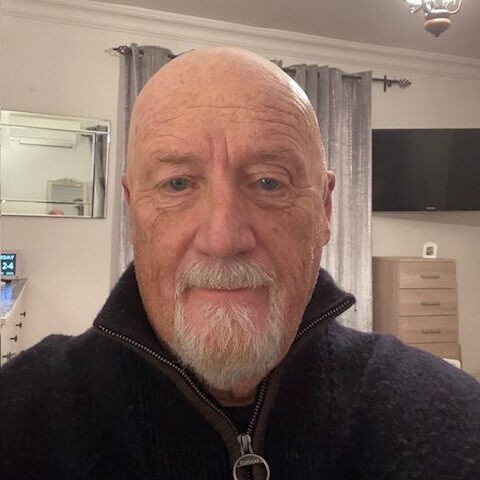
Biography
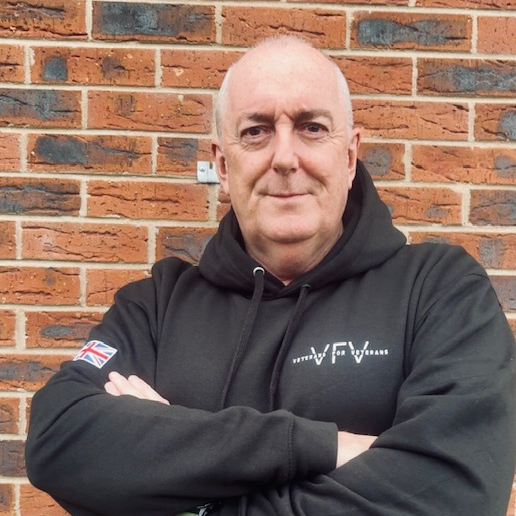
Biography
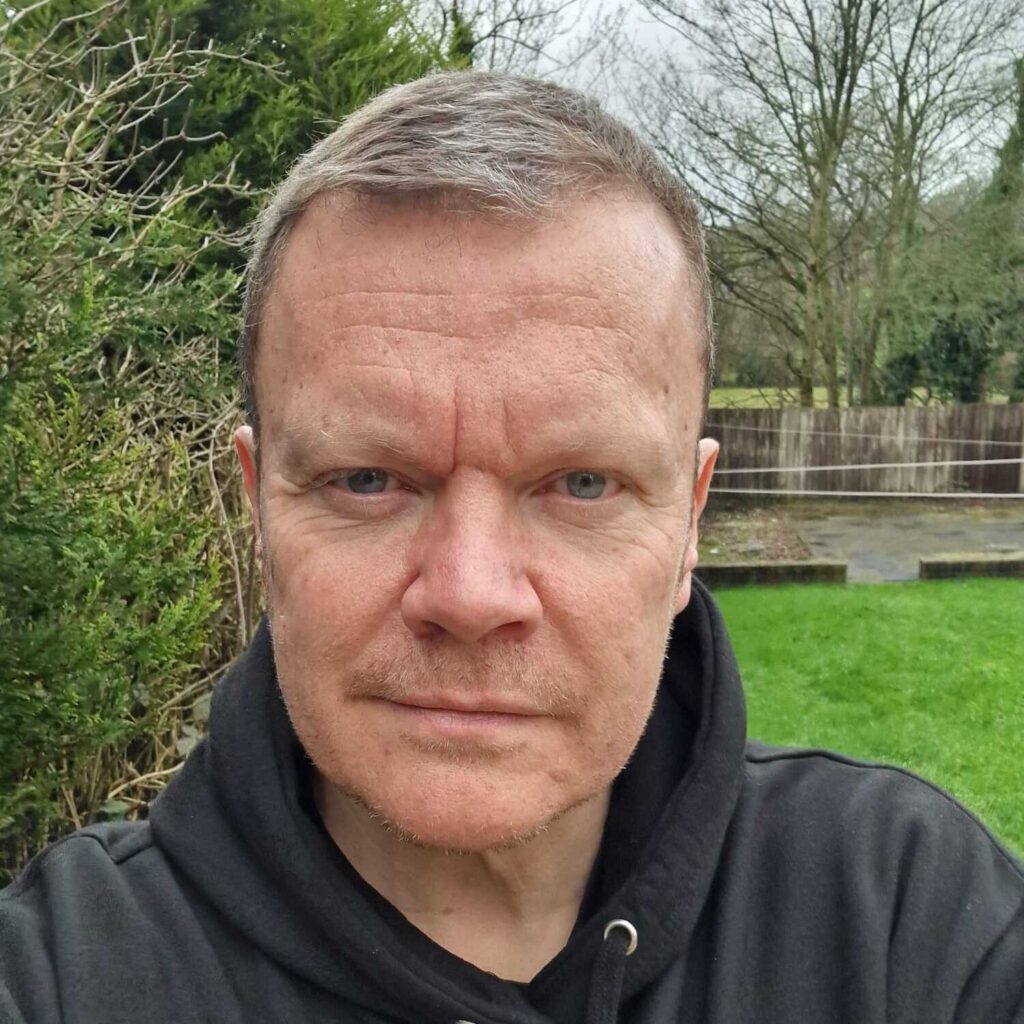
Biography
Andrew Hanley is a former Senior Non-Commissioned Officer with over two decades of distinguished service as an Aircraft Technician (Survival Equipment). His military career, from 1989-2012 saw him carrying out multiple operational tours of duty across the world including Afghanistan, Iraq, Bosnia and Northern Ireland which was recognised through the award of the Accumulated Campaign Service Medal.
His military career included working on a variety of different aircraft types including the Tornado GR4, Chinook HC.2, Puma HC.1, Harrier GR7 and Nimrod MR2. As a Survival Equipment specialist, he also trained on the systems used by aircrew operating the Apache Helicopters in support of his deployment to Op Herrick.
Since leaving the RAF, Andrew has continued to look for ways in supporting individuals in both his local community as well as the service personnel he has such high regard for. Taking a role within the Veterans for Veterans team has allowed him to continue this work and give something back to those who have served, and continue to serve in the British Forces.
Biography
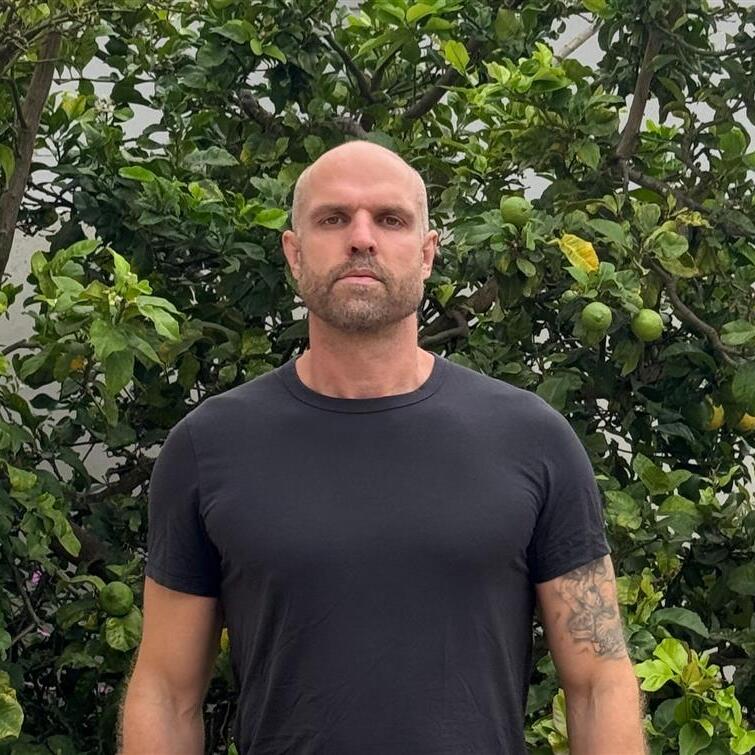
Tyrone Langley is a former British Army Paratrooper who served with 3rd Battalion The Parachute Regiment, deploying operationally to Iraq and Afghanistan, before completing his military career with 1st Battalion The Parachute Regiment (SFSG) and deploying to Afghanistan for a second time. Originally from South Africa, Tyrone moved to the UK at 18 with the sole aim of joining the Parachute Regiment. During his service he also represented the regiment in rugby league, including a tour to Australia in 2009.
After leaving the military, Tyrone continued working in demanding environments through private contracting and close protection roles in Iraq, Afghanistan and South Africa. Alongside this, he built a career in the fitness industry, qualifying as a personal trainer and later working as a head coach at a gym in the North East of England, delivering strength and conditioning programmes and coaching Brazilian Jiu-Jitsu athletes.
A keen sportsman himself, Tyrone trains and competes in Brazilian Jiu-Jitsu and has spent the past two years working as an online personal trainer, promoting long-term health and resilience. Proud of his service and grateful to the UK Armed Forces, Tyrone remains committed to supporting the veteran community through his work with Veterans for Veterans, helping fellow veterans access the support they deserve.
Biography
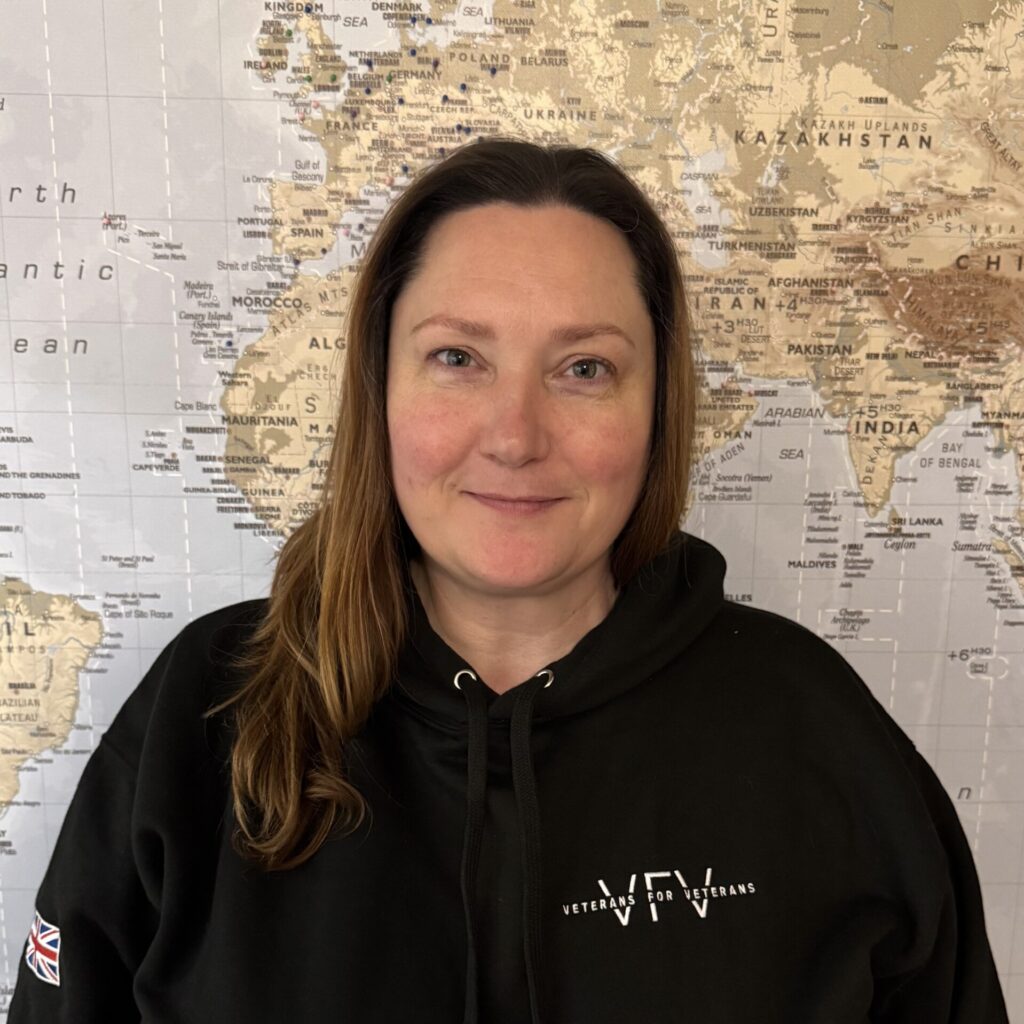
Jayne Best is a former Royal Air Force Senior Non-Commissioned Officer with a distinguished career lasting over 28 years. Her role as an Air Movements Controller started in 1995 and took her all over the world in support of UK Defense Operations and Exercises. Her operational deployments included being among the first to enter Kosovo as part of the Joint Helicopter Support Unit delivering troops and vital equipment to the front line. Deploying to Afghanistan in 2002 and Iraq in 2003 with the UK Mobile Air Movements Squadron she helped establish Forward Operation Bases that became vital to the logistic resupply chain for both Op Telic and Op Herrick. Deploying back to both countries again over the next few years she was in Camp Bastion at the height of UK Operations seeing first hand the toll it took on service personnel. 2013 saw her selected to be 1 of 3 RAF Logistic Liaison staff working from Calgary International Airport, Canada. This role took her from coast to coast overseeing the handling of all British Military transport aircraft. Now a committed team member at Veterans for Veterans she is passionate about making sure former service personnel feel heard and are properly compensated for service related injuries, such as noise induced hearing loss
Biography
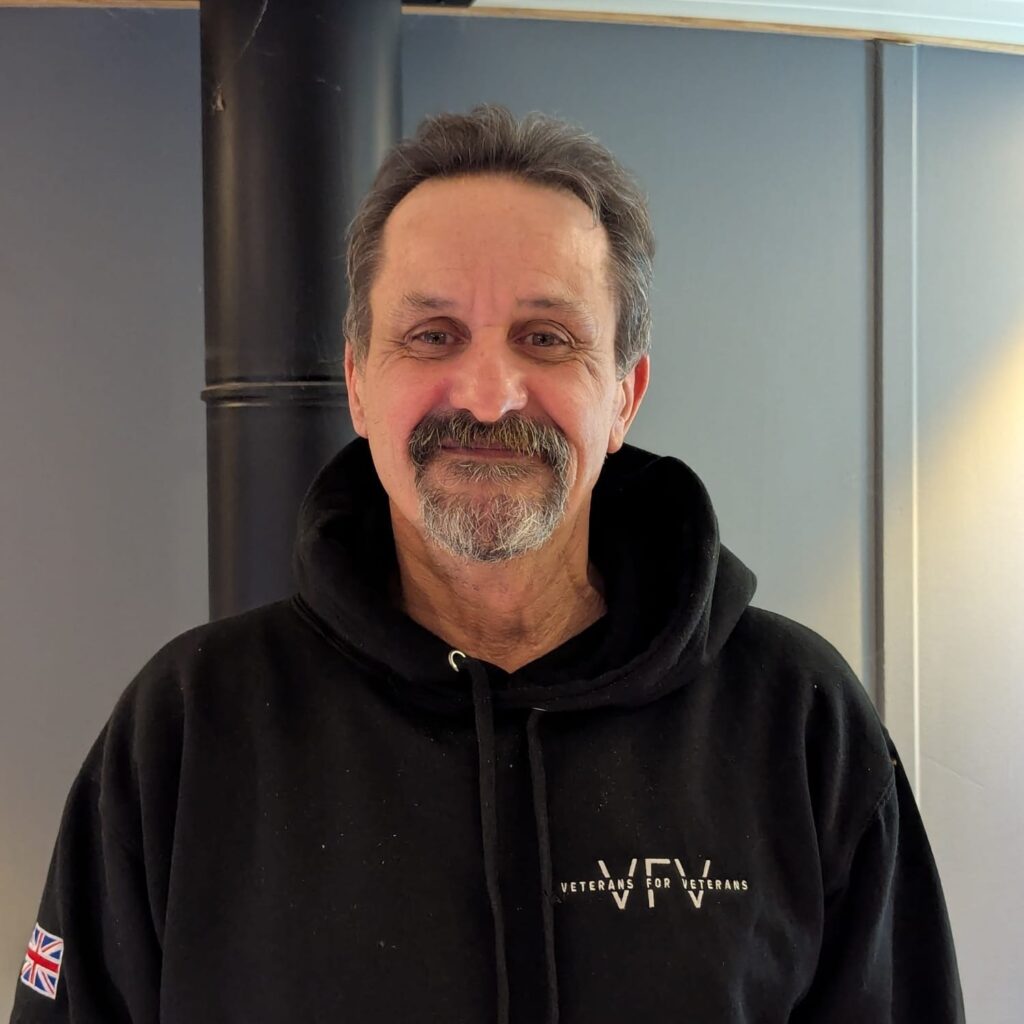
Adam Shah Elliot served 22 years in the British Army with 5 Regiment Royal Artillery, reaching the rank of Sergeant and serving as Acting Staff Sergeant. During his career he completed several operational deployments, including Iraq (Operation Granby and Operation Telic), Cyprus (Operation Tosca), Bosnia (Operations Grapple and Resolute), and Kosovo (Operation Agricola).
Biography
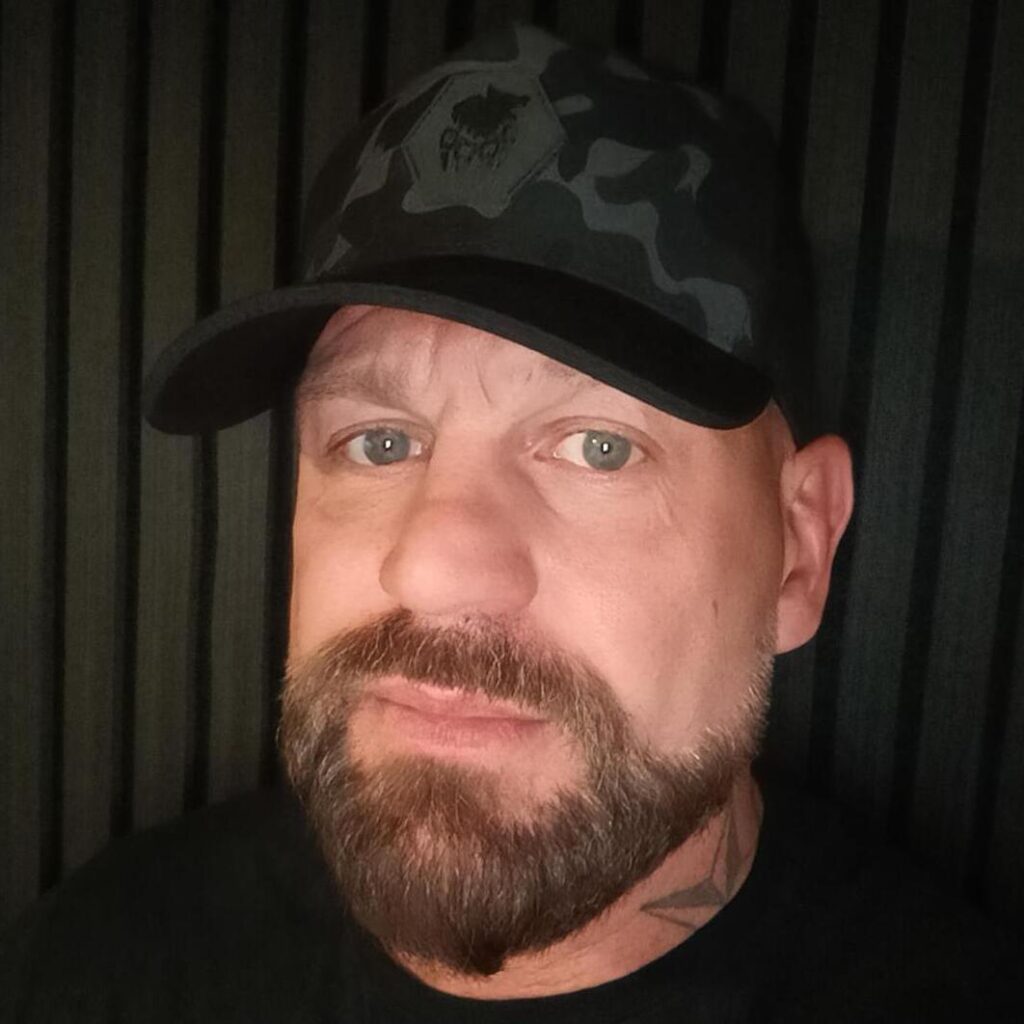
Chris served for seven years with 2 PARA, completing operational tours in Northern Ireland, Sierra Leone, Macedonia and Afghanistan.
After leaving the military, he worked for six years as a close protection operator in Iraq and spent a further three years conducting anti-piracy operations off the coast of Somalia.
He has since dedicated twelve years to serving his community as a firefighter.
Today, Chris hosts The Old Paratrooper Podcast, using the platform to raise awareness of mental health and encourage open, honest conversations within the veteran community.
Biography
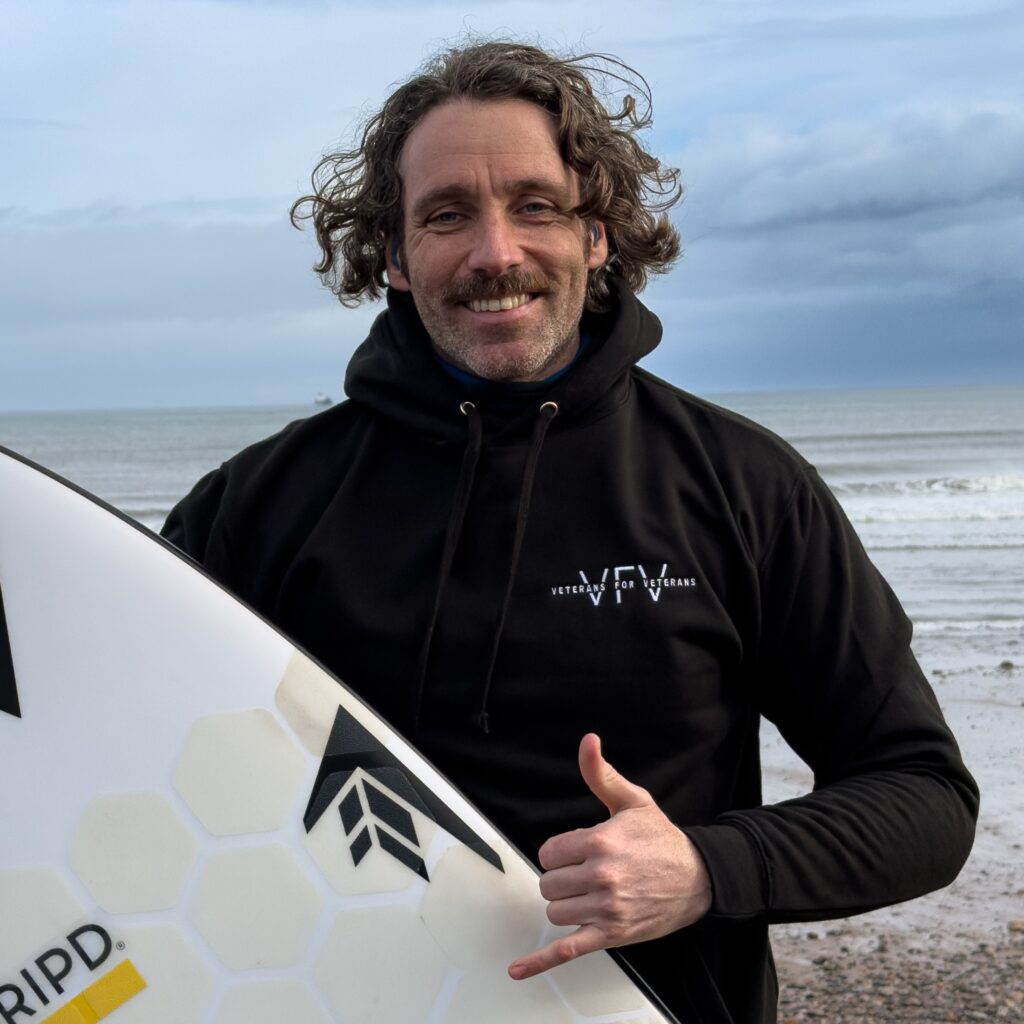
Mitch is a former Senior Non-Commissioned Officer, finishing a 23 year career in the Royal Artillery, previous to this he served in the Army Air Corps & Royal Engineers. This distinguished career from 2001-2023 was defined by a personable, & robust leadership approach where it mattered.
Throughout his varied service, Mitch held several key appointments, including as an FST Commander, Battery Training Officer & Permanent Staff Instructor.
Mitch held many qualifications, and would often be found planning/delivering high level LFFT packages up to Battle Group Level.
Post Herrick 17, Mitch discovered surfing during a unit AT package, this went on to shape his future career and life as a sponsored UK surfer and successful podcast host.
Biography
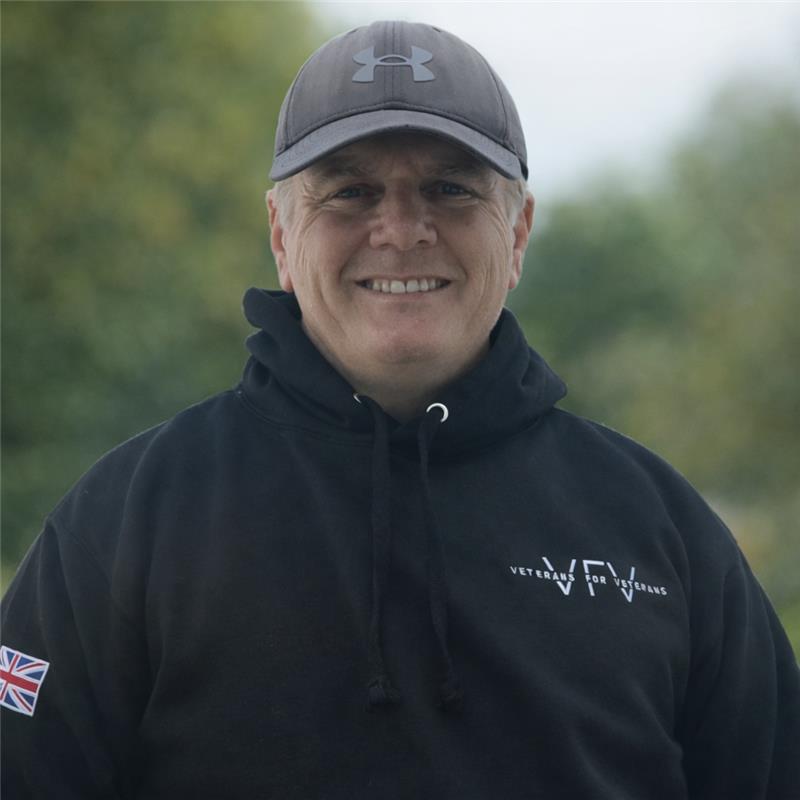
George Bruce is a former Warrant Officer with the British Army, serving from 1985 to 2011 in the Royal Highland Fusiliers and later 2 SCOTS. Over his 26-year career, he held a variety of roles, including in reconnaissance platoons at both unit and brigade levels. His operational deployments took him to Northern Ireland, Bosnia, Afghanistan, Iraq, and the wider Middle East. A qualified Jungle Warfare Instructor and graduate of the senior Brecon course, George’s final posting was as Infantry Battle Captain in Afghanistan, where he led operations in high-intensity combat environments.
Since leaving the Army, George has built a successful career in the security industry across the UK, Europe, and the Middle East, specialising in crisis and risk management, particularly within the oil and gas sector. Alongside this, he is passionate about mental health fitness, Neuro Linguistic Programming (NLP), and outdoor expeditions, recently summiting Mount Toubkal, the highest peak in North Africa. His decision to join Veterans for Veterans stems from a commitment to ensure that those who served are properly recognised and supported through the challenges of service-related injuries and transition to civilian life.