
Veteran-Led Support For Military Cold Injury Claims
Check Your Eligibility
Cold Weather Injuries in the UK Military
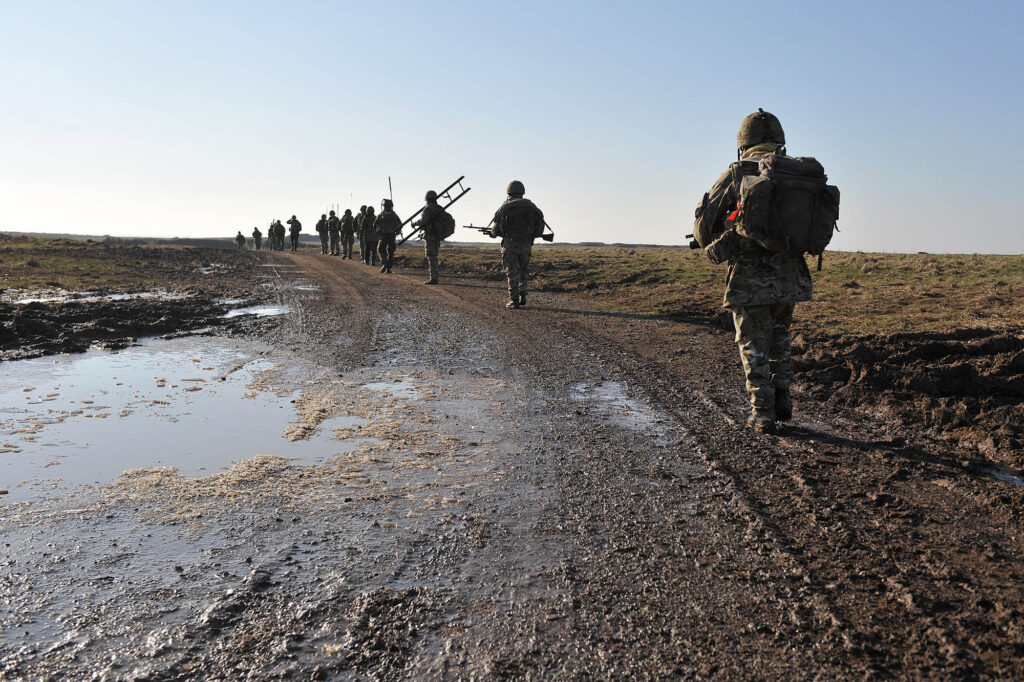
Cold injuries happen when hands or feet are exposed to cold, wet or windy conditions for long periods, something many UK Military personnel experienced on training areas like Sennybridge, Otterburn and Dartmoor with wet grounds, static positions and long patrols.
These conditions can lead to injuries such as Non-Freezing Cold Injuries (NFCI) and Freezing Cold Injuries (FCI), causing long-lasting numbness, pain and cold sensitivity.
If you’ve suffered symptoms like these since service, you could be owed compensation.
Types of Cold Weather Injuries
Non-Freezing Cold Injuries (NFCI)
- Numbness, tingling, burning, pain on rewarming, altered sensation and long-term cold sensitivity.
- NFCI happens when skin and nerves are exposed to cold above freezing, especially in wet boots or gloves.
- NFCI is the most common cold injury in UK service personnel because it develops in everyday field conditions.
Freezing Cold Injuries (FCI)
- Hard or pale skin, numbness followed by sharp pain, blisters after thawing.
- FCI occurs when tissue actually freezes (frostbite).
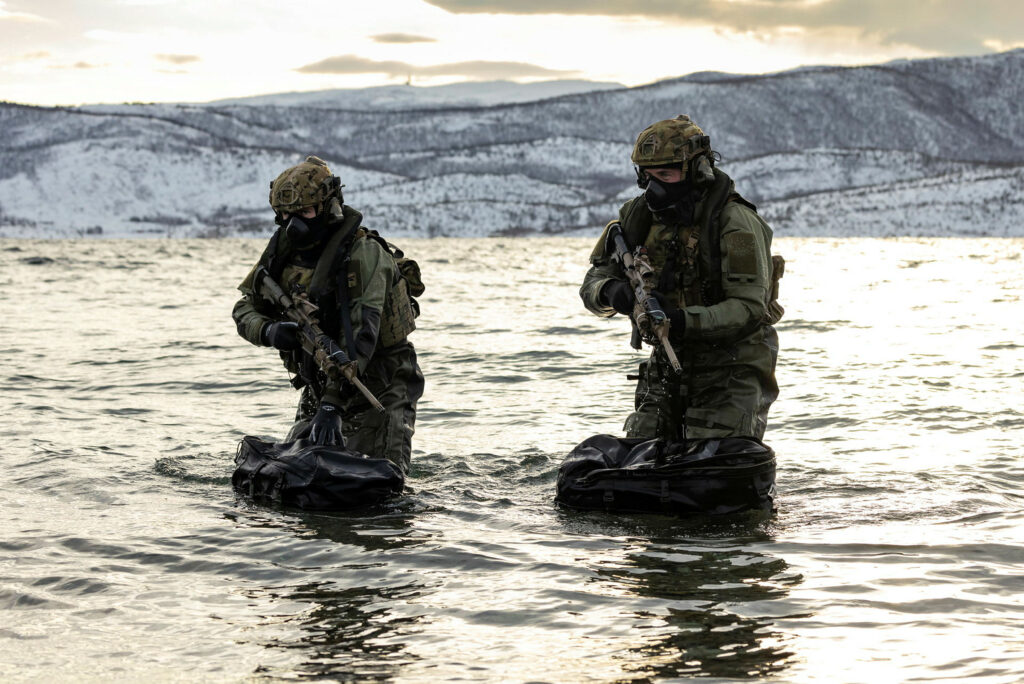
- Less common in UK training, but seen in Arctic or alpine environments.
Your DedicatedUK BasedVeteran Team

Daniel Spruce

Mark O’Sullivan

Peter Ward

Simon Griffin

Stephen Gregory

Lee Kelly

Gareth Clarke

Paul Rees

John Joseph Scott

Chris Whittaker
FAQs
If you relate to any of the FAQs, or want to find out more get started here.
Cold Injuries can sometimes be difficult to recognise because symptoms vary and may come and go. If you’re unsure, don’t worry, many people aren’t certain at first.
We can review your service history, symptoms, and medical evidence to help assess whether you may have a potential Cold Injury. If needed, a specialist medical assessment can later confirm the diagnosis. You do not need a confirmed diagnosis before speaking with us.
Claims can only be made for service after May 1987. This is because Crown Immunity protects the Ministry of Defence from claims for injuries before that date. If you joined in 1986 and served until 1995, you may still claim for the period after 1987. This law changed following the case of Smith V Ministry of Defence.
Yes, you may still be able to as long as you served in the UK Armed Forces. Each case is assessed individually and if your case has merit, your claim can proceed even if you’re based abroad.
Yes. Having a War Pension or Armed Forces Compensation Scheme (AFCS) award does not prevent you from pursuing a separate civil claim, including if you have already been rejected for AFCS.
The legal firms we work with operate under Conditional Fee Agreements. Your case will be covered by an after the event (ATE) insurance policy. This insures you against loses and allows your case to be no win, no fee. If your claim is unsuccessful, all legal costs are covered and you don’t have to pay a penny. If your claim is successful a fee of 25% (including VAT), along with the insurance premium, will be deducted from your final settlement to cover your solicitor’s costs
ProudlySupporting Our VeteranCommunity




We’re not just here for military claims.We actively support the UK veteran community through employment, advocacy, and charitable partnerships because every veteran matters.
(Company no. 14129328). Authorised and regulated by the Financial Conduct Authority (Firm Registration No. 990558).
Registered with the Information Commissioner’s Office (ICO Registration No. ZB701688)